


- Home
- Biosani
- A new agriculture is possible
- Biological and Plant-based Insecticides
- Fungicides and Elicitors
- Mating Disruption
- Traps, Attractants and Pheromones
- Biofertilizers
-
Crops - Biosani solutions
- Agave
- Alder
- Alfalfa / Lucerne
- Almond Tree
- Animal fabrics, threads or fibres
- Apple tree
- Apricot Tree
- Aquatic environments
- Aromatic, culinary and medicinal plants
- Artichoke
- Arugula
- Ash
- Asparagus
- Avocado
- Banana
- Barley
- Basil
- Bay laurel
- Beetroot
- Begonia
- Birch
- Black raspberry
- Blackcurrant
- Blueberry
- Boxwood
- Broad Bean
- Cabbage
- Canary Island date palm
- Cantaloupe melon
- Caraway
- Carnation
- Carob tree
- Carrot
- Cashew tree
- Cassava
- Castor bean
- Cedar
- Celery
- Chard
- Cherry tree
- Chestnut tree
- Chickpea
- Chicory
- Chili pepper, chilli and rocoto
- Chrysanthemum
- Citrus
- Cocoa tree
- Coconut palm
- Coffee Plant
- Common Bean
- Cork oak
- Cotton Plant
- Courgette
- Cowpea
- Cucumber
- Custard apple
- Date palm
- Dracaena
- Dragon Fruit
- Eggplant
- Elm tree
- Endive
- Ethiopian eggplant
- European hornbeam
- Feijoa
- Fig Tree
- Fir
- Flax
- Forage Clover
- Garlic
- Gerbera
- Gooseberry
- Grapefruit
- Grapevine
- Guava tree
- Hazel tree
- Hemp / Cannabis
- Holm oak
- Hops
- Jasmine
- Kiwi
- Larch
- Leek
- Lemon
- Lentil
- Lettuce
- Loquat Tree
- Lovage
- Lulo / Naranjilla
- Lupin
- Lychee
- Macadamia
- Maize
- Mango Tree
- Melon
- Millet
- Mulberry
- Nectarine
- Oaks
- Oat
- Okra
- Olive tree
- Onion
- Ornamental Plants
- Papaya
- Parsnip
- Passion Fruit Vine
- Pea
- Peach tree
- Peanut
- Pear tree
- Pearl Millet
- Pepper
- Permanent meadows and pastures
- Persimmon Tree
- Pine tree
- Pineapple
- Pistachio
- Plum tree
- Pomegranate Tree
- Potato
- Protea
- Pumpkin
- Quince tree
- Radish
- Rapeseed
- Raspberry
- Rice
- Rose bush
- Rowan
- Rye
- Sorghum
- Soybean
- Spinach
- Spruce
- Starfruit
- Stone Pine
- Stored plant products
- Strawberry
- Strawberry tree
- Sugarcane
- Sunflower
- Sweet Potato
- Tamarind tree
- Tobacco
- Tomato plant
- Triticale
- Turnip
- Uncultivated areas
- Walnut tree
- Watercress
- Watermelon
- Wheat
- Whitebeam
- Yam / Taro
- Yucca
-
Pests - solutions for the main ones
- African citrus psyllid
- African maize stalk borer
- Agave weevil
- Almond bark beetle
- Almond lace bug
- Almond Moth
- Aphid A. scariolae
- Aphids
- Apple brown tortrix
- Apple fruit moth
- Apple leaf midge
- Apple Leaf Miner
- Apple leaf miner
- Apple maggot
- Apple pygmy moth
- Artichoke moth
- Ash moth
- Asian citrus psyllid
- Asparagus beetles
- Banana moth
- Banana weevil
- Bark beetles
- Bean flower thrips
- Beet Armyworm
- Beet Moth
- Beetle / Red Palm Weevil
- Black bean aphid
- Black cutworm
- Black Cutworm
- Black flies
- Black Peach Aphid
- Black vine weevil
- Black-banded plum aphid
- Bordered straw moth
- Box Tree Moth
- Bright-line brown-eye moth
- Bronze bug
- Brown marmorated stink bug
- Brown pear aphid
- Brown-tail moth
- Buckthorn-potato aphid
- Cabbage aphid
- Cabbage Moth
- Cabbage root fly
- Cabbage stem weevil
- Cabbage webworm
- California Red Scale
- Carnation Tortrix
- Carob moth
- Carrot fly
- Cherry blossom moth
- Cherry fruit fly
- Cherry fruit moth
- Chestnut gall wasp
- Citrus flower moth
- Citrus leafminer
- Citrus longhorn beetle
- Citrus mealybug
- Citrus thrips
- Clothes moth
- Codling moth
- Coffee / cocoa bean weevil
- Colorado Potato Beetle
- Common currant tortrix
- Common Whitefly
- Comstock mealybug
- Cork oak buprestid borer
- Corn Borer
- Corn earworm moth
- Corn Thrips
- Cotton Aphid
- Currant clearwing moth
- Currant-lettuce aphid
- Diamondback moth
- Early Chestnut Tortrix
- Eight-toothed spruce bark beetle
- Elm Bark Beetle
- Elm leaf beetle
- Emerald pink weevil
- Engraver beetle
- Eucalyptus weevil
- European apple sawfly
- European corn borer
- European grapevine moth
- European grapevine moth
- European Grass Thrips
- European Oak Leafroller
- European pepper moth
- European pine moth
- European seed bug
- Fall armyworm moth
- False codling moth
- Firebug
- Foxglove aphid
- Frosted orange moth
- Fruit Tree Leafroller
- Fungus gnat
- Geometrid moth
- Geranium bronze moth
- Goat Moth
- Golden Twin-Spot Moth
- Golden twin-spot moth
- Grape Tortrix
- Grapevine Leafroller Tortricid
- Grass Thrips
- Green Almond Aphid
- Green apple aphid
- Green bean thrips
- Green citrus aphid
- Green Peach Aphid
- Greenhouse Whitefly
- Guatemalan Potato Tuber Moth
- Gypsy Moth
- Hawthorn berry moth
- Hawthorn leafminer
- Hawthorn-parsley aphid
- Hessian fly
- Honeydew moth
- Indian meal moth
- Intermediate Chestnut Tortrix
- Japanese beetle
- Japanese pine moth
- Lackey moth
- Large aspen tortrix
- Large beetles
- Large Fruit-Tree Tortrix
- Large larch bark beetle
- Large white cabbage butterfly
- Large yellow underwing moth
- Late chestnut codling moth
- Leafhoppers
- Leafminer
- Leek moth
- Lesser yellow underwing moth
- Lettuce inflorescence aphid
- Light brown apple moth
- Locust / Grasshopper
- Long-tailed mealybug
- Longhorn beetles
- Loquat thrips
- Lunar yellow underwing moth
- Manchurian fruit moth
- Mango fruit fly
- Meadow spittlebug
- Mealy Plum Aphid
- Mediterranean flour moth
- Mediterranean fruit fly
- Melolontha spp.
- Melon fly
- Melon thrips
- Metallic wood-boring beetles
- Mexican fruit fly
- Mosquitoes / Gnats
- Mulberry scale
- Natal fruit fly
- New Zealand flower thrips
- Nun moth
- Oak flea beetle
- Oak Pinhole Borer
- Oak processionary
- Obscure mealybug
- Olive fruit fly
- Olive moth
- Olive pyralid moth
- Olive pyralid moth
- Onion fly
- Orange Tortrix
- Orchard ermine moth
- Oriental beetle
- Oriental fruit fly
- Oriental Fruit Moth
- Passion fruit flower bud fly
- Passion fruit flower fly
- Passion fruit fly
- Passion fruit shoot fly
- Pea leaf weevil
- Peach fruit fly
- Peach Fruit Moth
- Peach Twig Borer
- Pear sawfly
- Pear-bedstraw aphid
- Pedrolho
- Phoracantha or eucalyptus borer
- Pine cone caterpillar
- Pine processionary
- Pine Sawyer Beetle
- Plague thrips
- Plum curculio
- Plum Fruit Moth
- Plum fruit moth
- Plum leaf-curling aphid
- Plum sawfly
- Potato Aphid
- Potato tuber moth
- Protea moth
- Rape stem weevil
- Raspberry beetle
- Raspberry cane midge
- Raspberry thrips
- Red-Belted Clearwing
- Red-necked longhorn beetle
- Rose stem aphid
- Rose Thrips
- Rose Tortrix Moth
- Rosy apple aphid
- Rusty tussock moth
- San José scale
- Sawfly
- Scale insects
- Serpentine leafminer
- Silver Y Moth
- Six-toothed bark beetle
- Small beetles
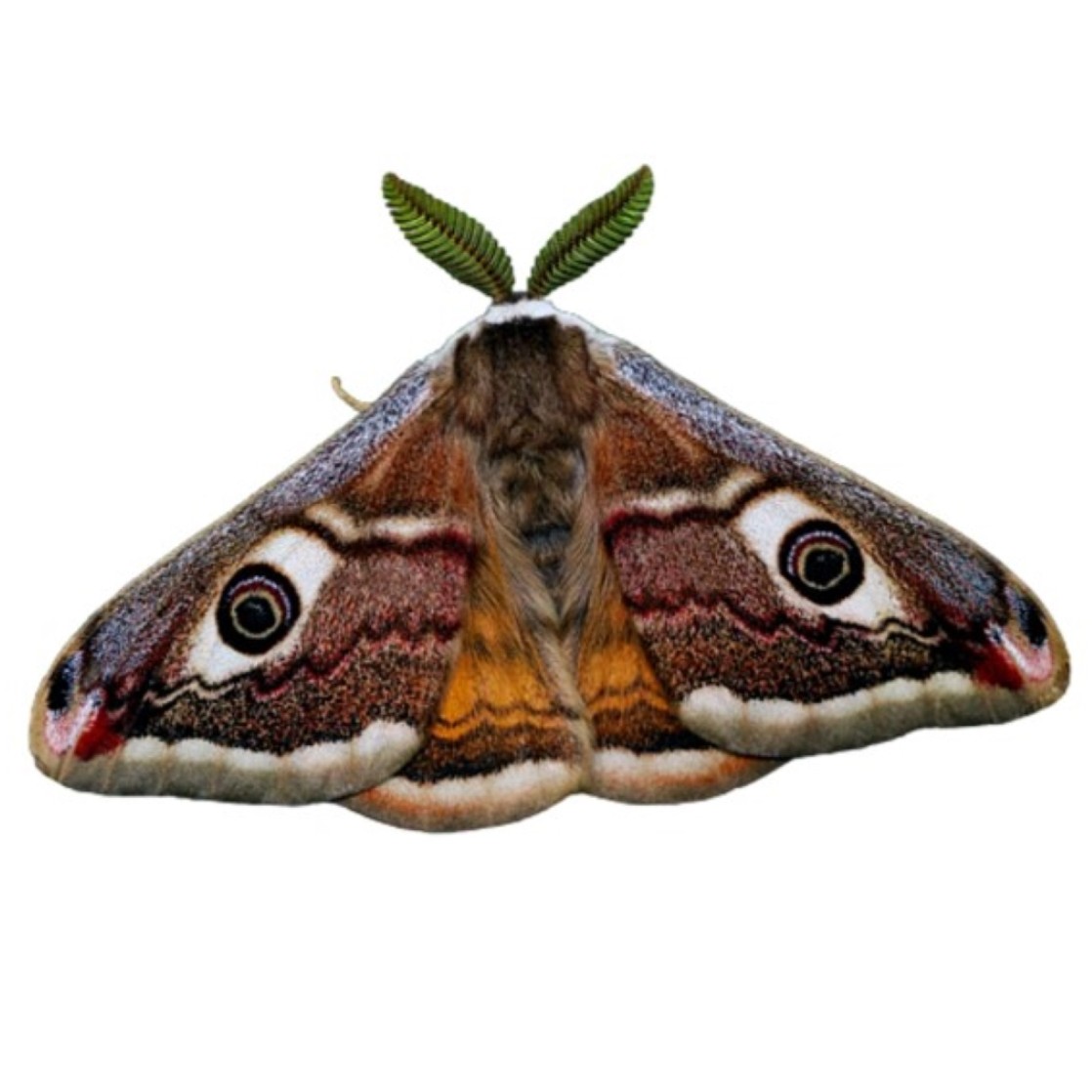
- Small emperor moth
- Small tomato borer
- Small white cabbage butterfly
- South African carnation moth
- Southern armyworm moth
- Southern chinch bug
- Southern green stink bug
- Spanish fly
- Spanish moon moth
- Spotted tentiform leafminer
- Spotted wing drosophila
- Strawberry moth
- Striped Rice Stem Borer
- Sugarcane stalk borer
- Summer Fruit Tortrix
- Sweet potato hawk moth
- Sweet potato weevil
- Sweet potato weevil (other)
- Taro armyworm moth
- Tea shot hole borer
- Thrips
- Thrips H. setiger
- Tobacco moth
- Tobacco Thrips
- Tomato / potato psyllid
- Tomato bug
- Tomato fruitworm
- Tomato leafminer
- Tomato pinworm moth
- Tomato thrips
- Trachymela
- True Armyworm
- Turnip Moth
- Two-spotted spider mite
- Variegated Cutworm
- Variegated Golden Tortrix
- Vegetable leafminer
- Vine mealybug
- Walnut Husk Fly
- Walnut twig beetle
- Western conifer seed bug
- Western flower thrips
- Whiteflies
- Winter moth
- Wireworms
- Woolly apple aphid
- Xyleborus
- Yellow-legged clearwing
- Zeuzera / Leopard moth
- Diseases - solutions for the main ones
- News & Curiosities
- Contacts
- Miscellaneous
- test
- ZZZ Test